Jennifer Chia-ling Ho
Jennifer Chia-Ling Ho is a Taiwanese, multidisciplinary artist and independent curator based in Brooklyn, NY. Coming from a background in science, she is interested in the intervention of research methodology, language, and presentation in art and how they alter the process of understanding and change the maker and viewer relationship. In 2019, She co-founded We Narrate Us, a curatorial collective that aims to develop a different language to discuss Asian and Asian-American identities through integrated exhibitions and programs. She holds an MSc. degree in Human Nutrition from the University of British Columbia and an MFA degree in Sculpture from Pratt Institute in 2020. She is the recipient of Pratt MFA merit award, Graduate Student Education Fund, and Stutzman Family Foundation Fellowship. She is attending Vermont Studio Center Residency in fall 2020.




Artist Statement
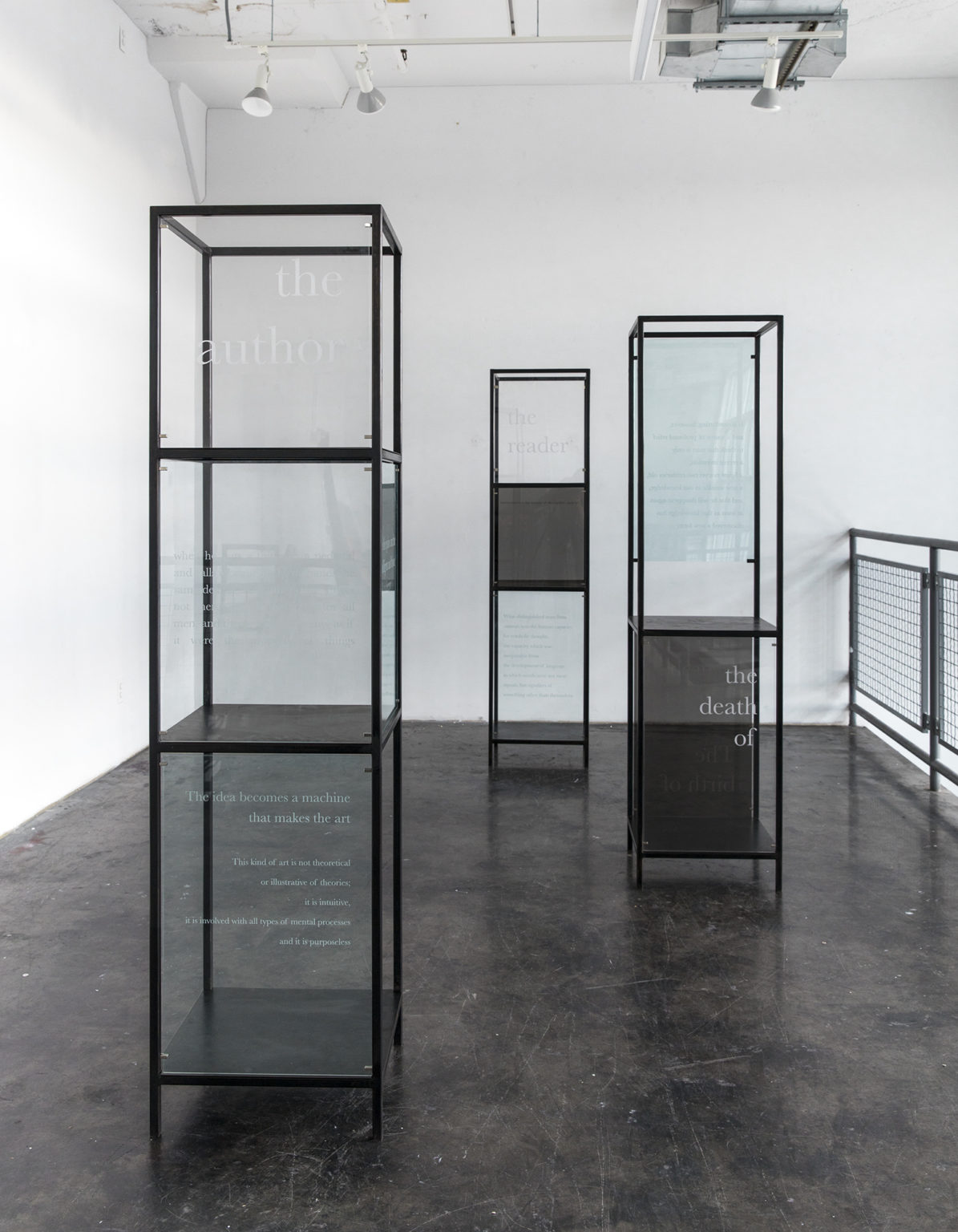
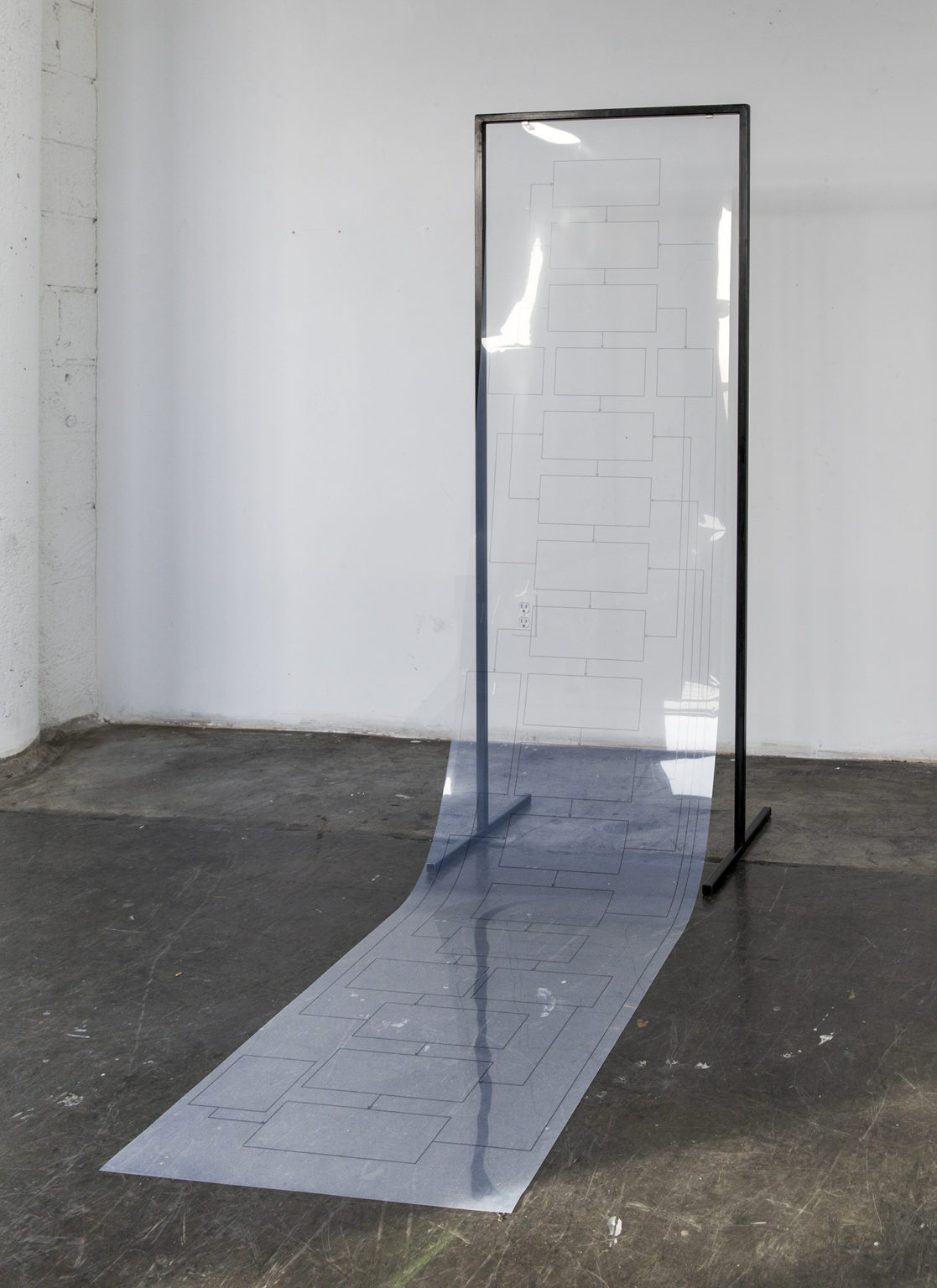
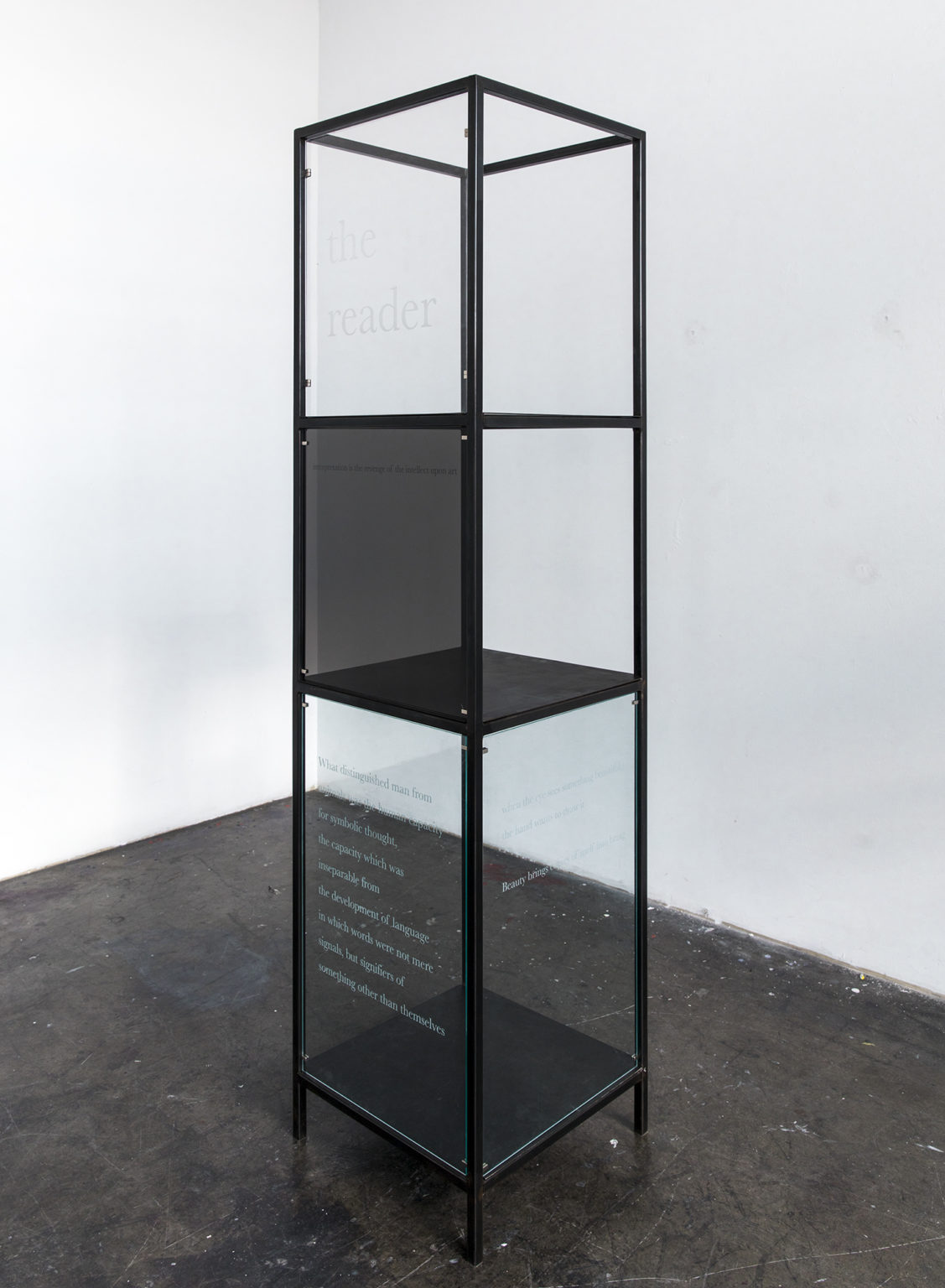
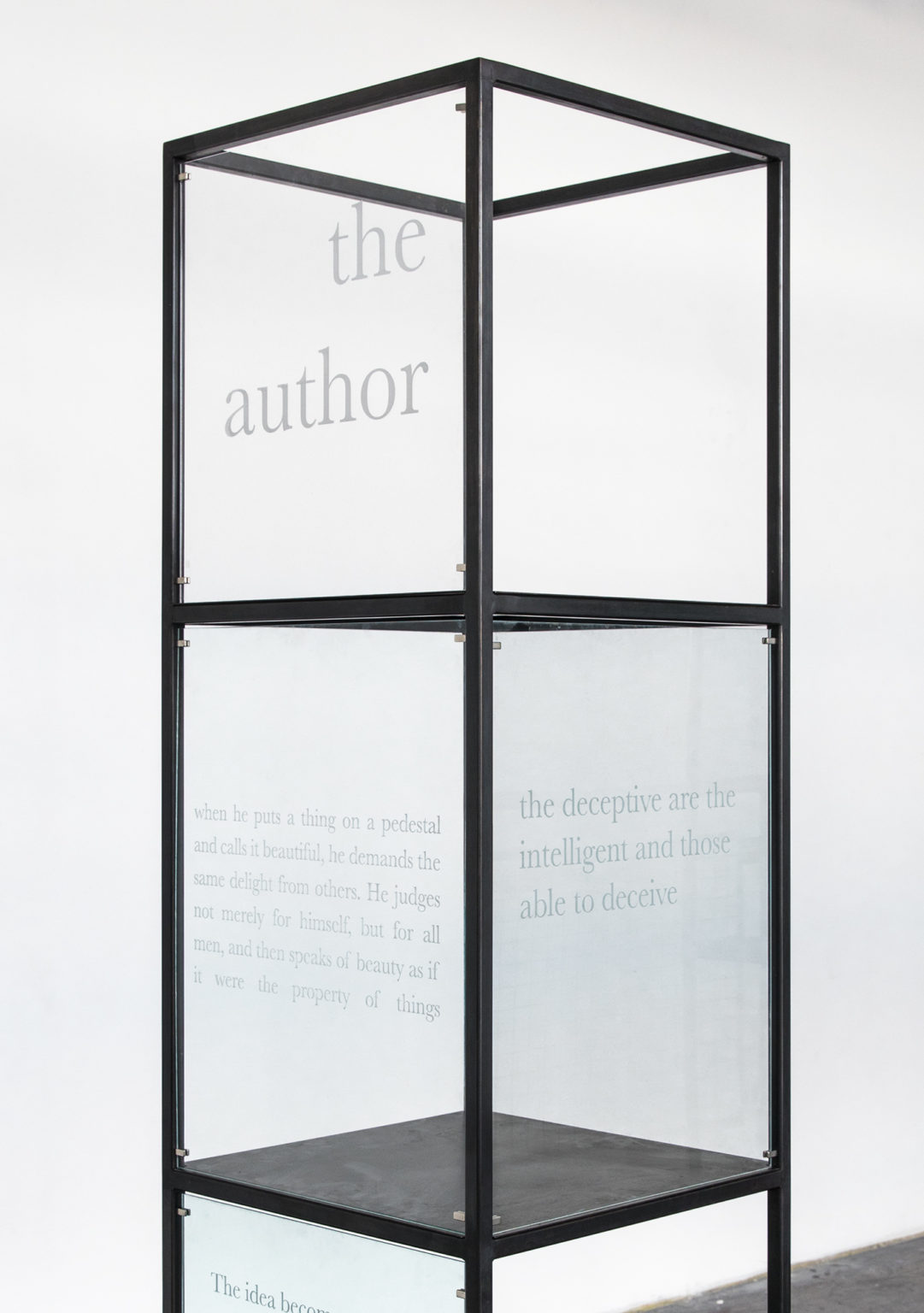
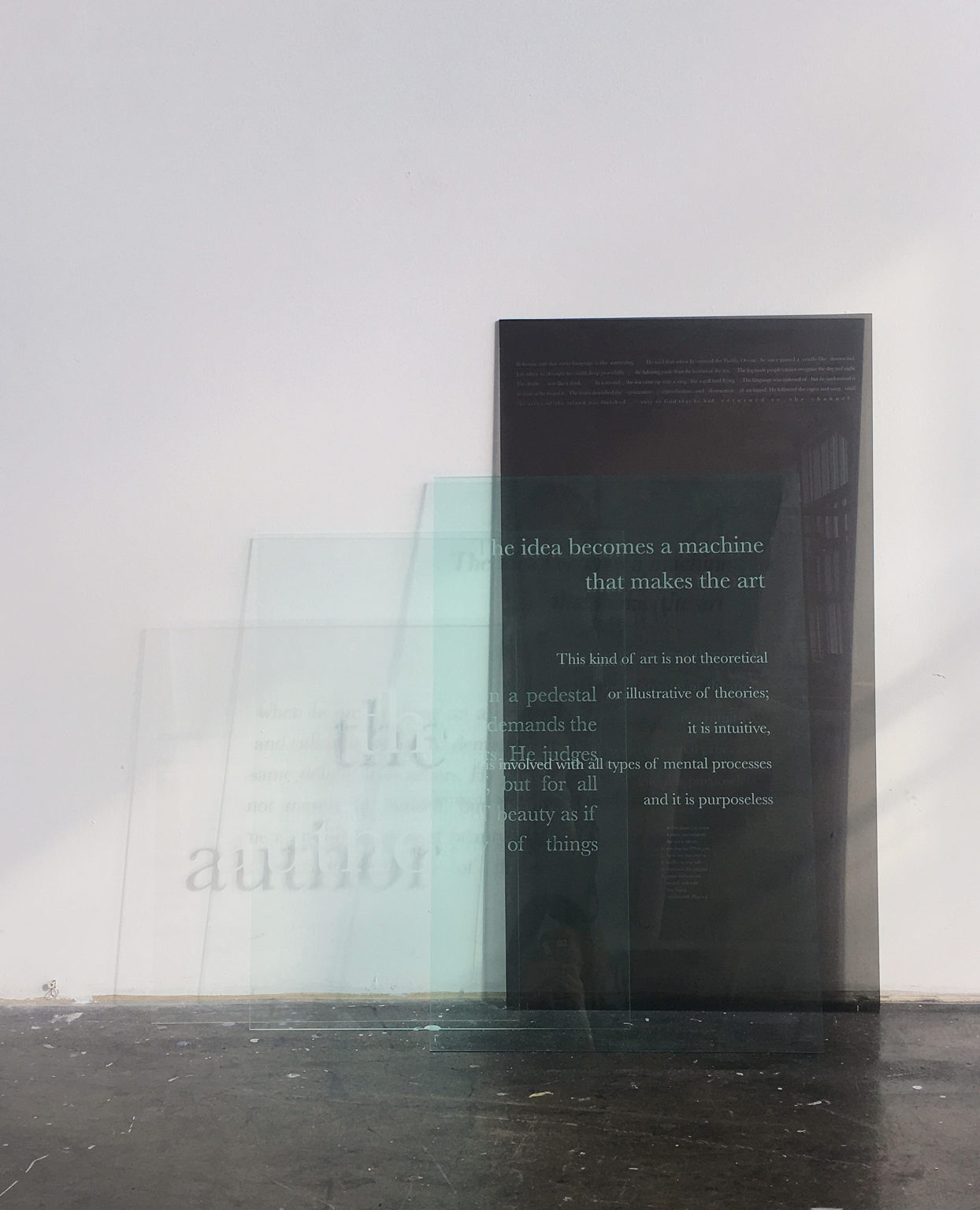
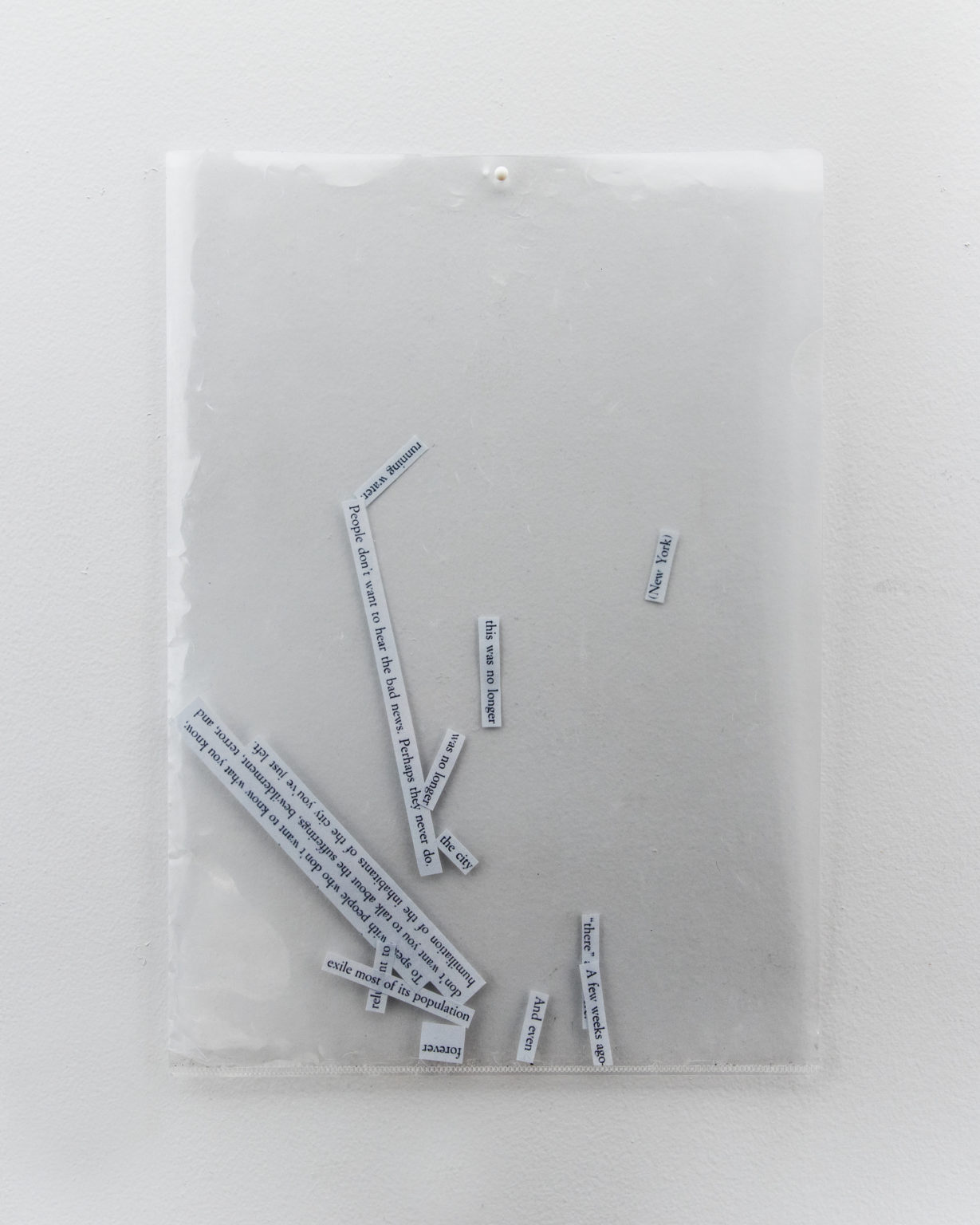
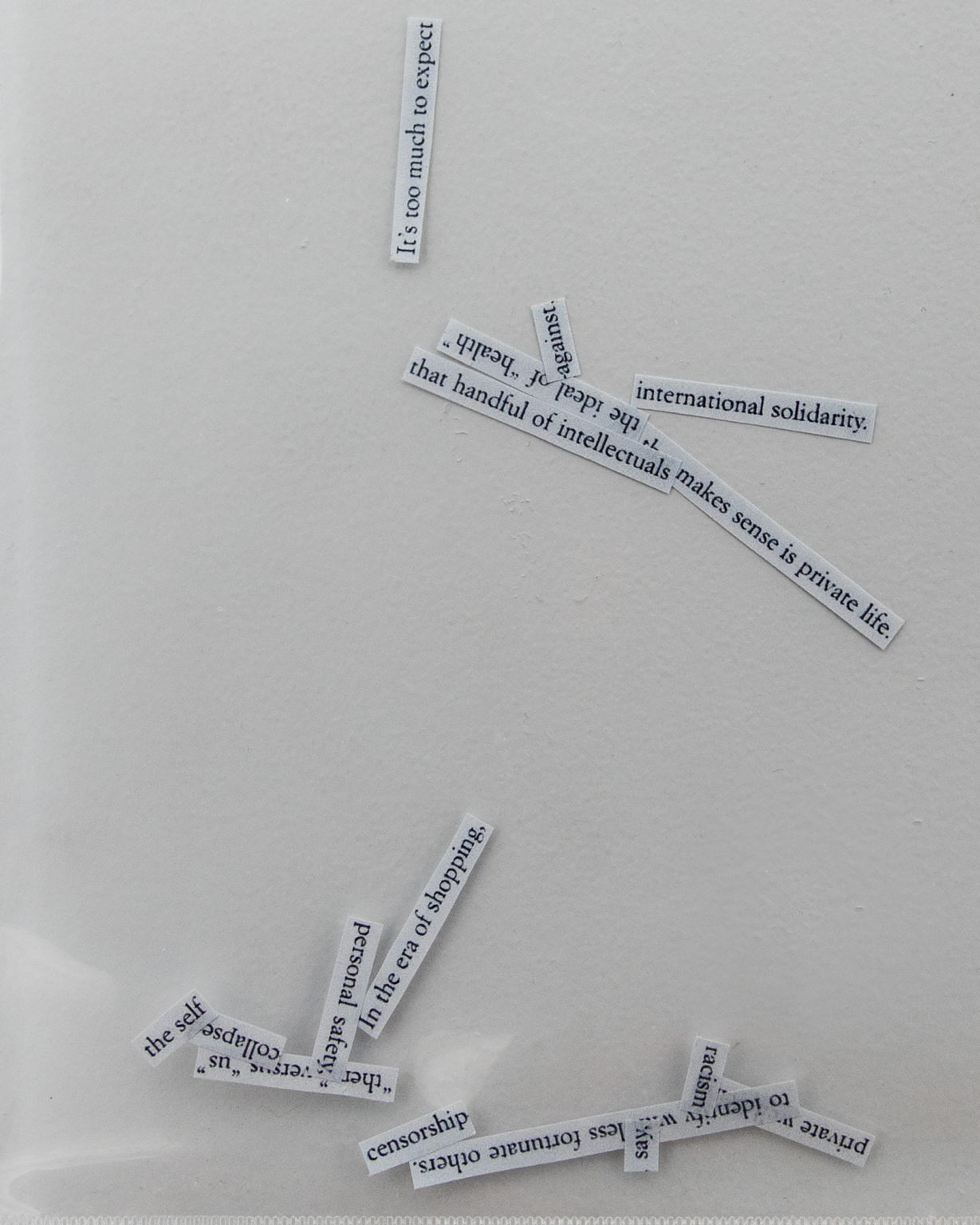
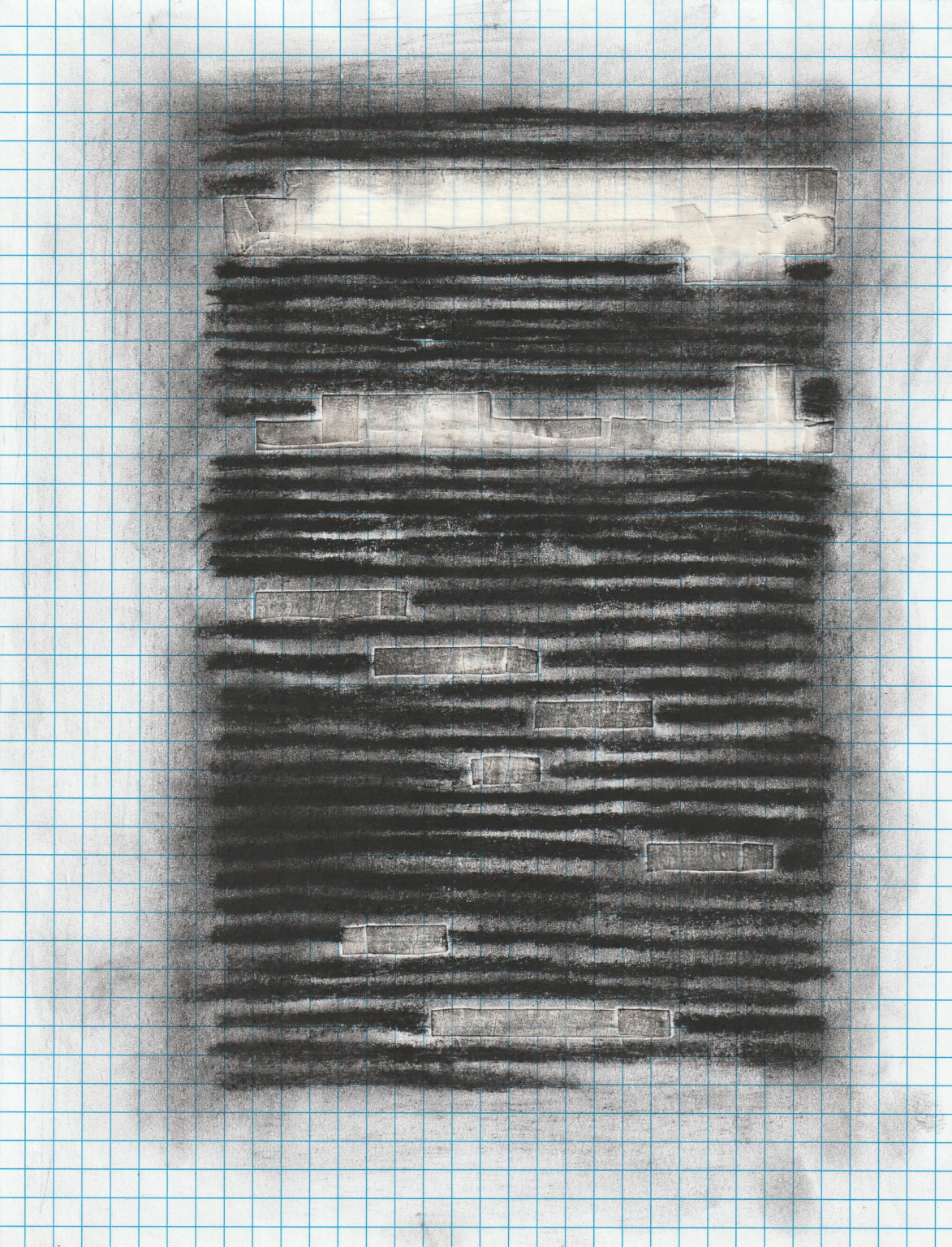
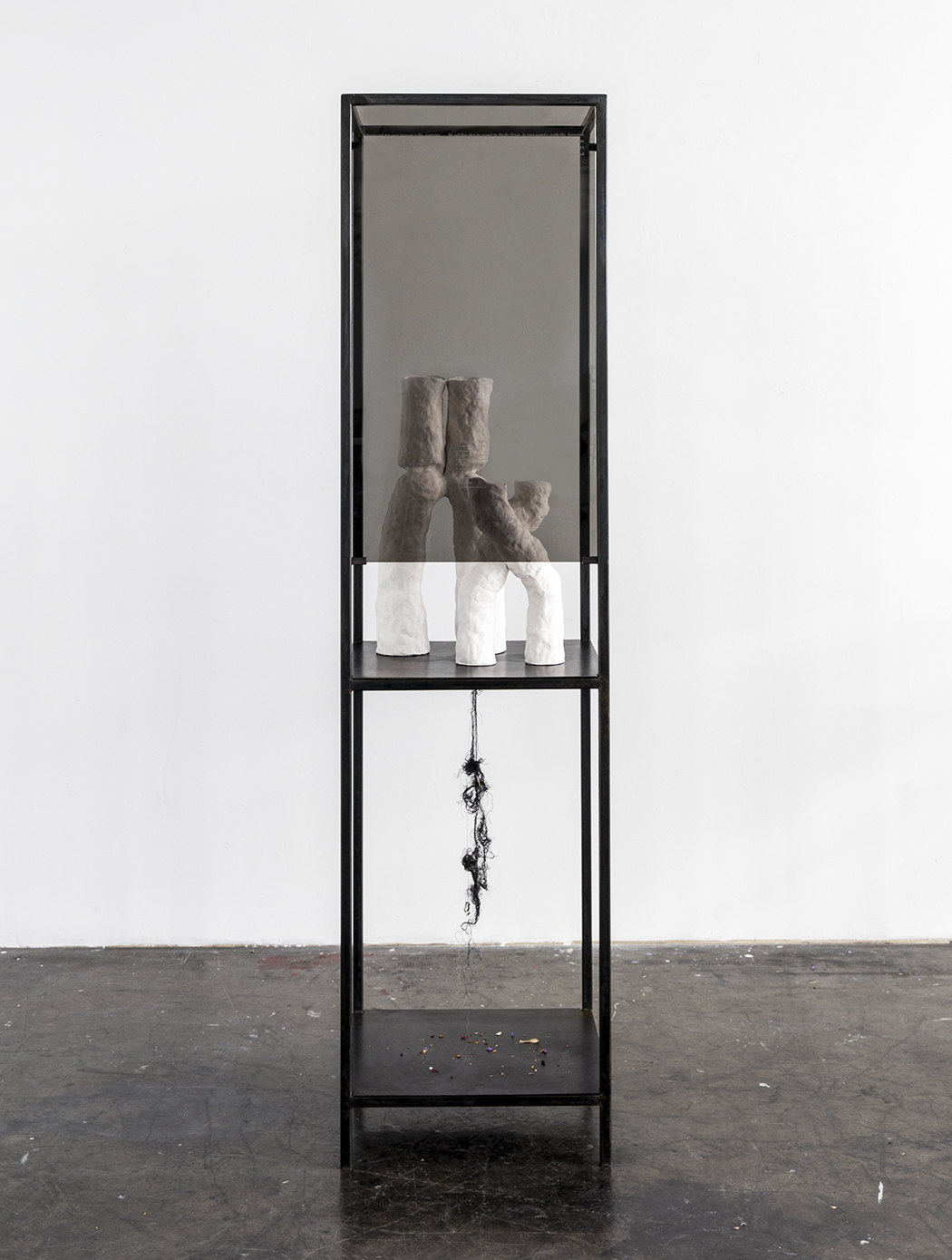
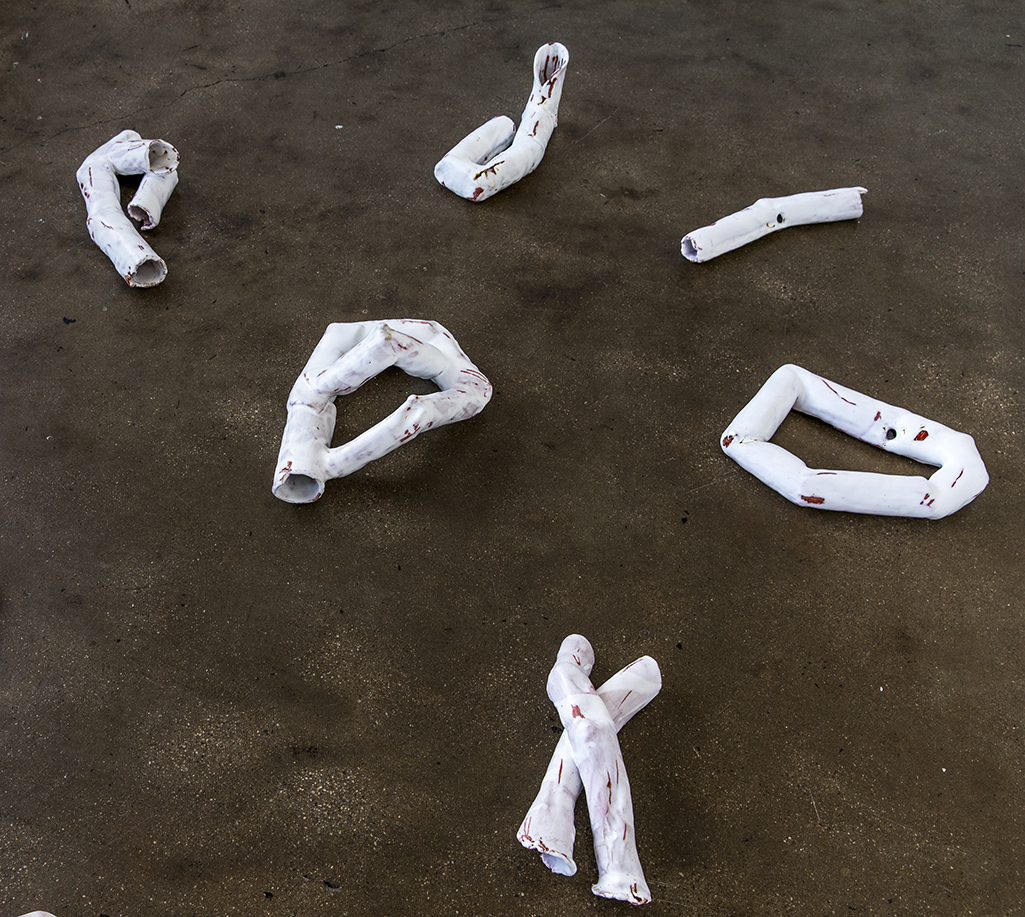
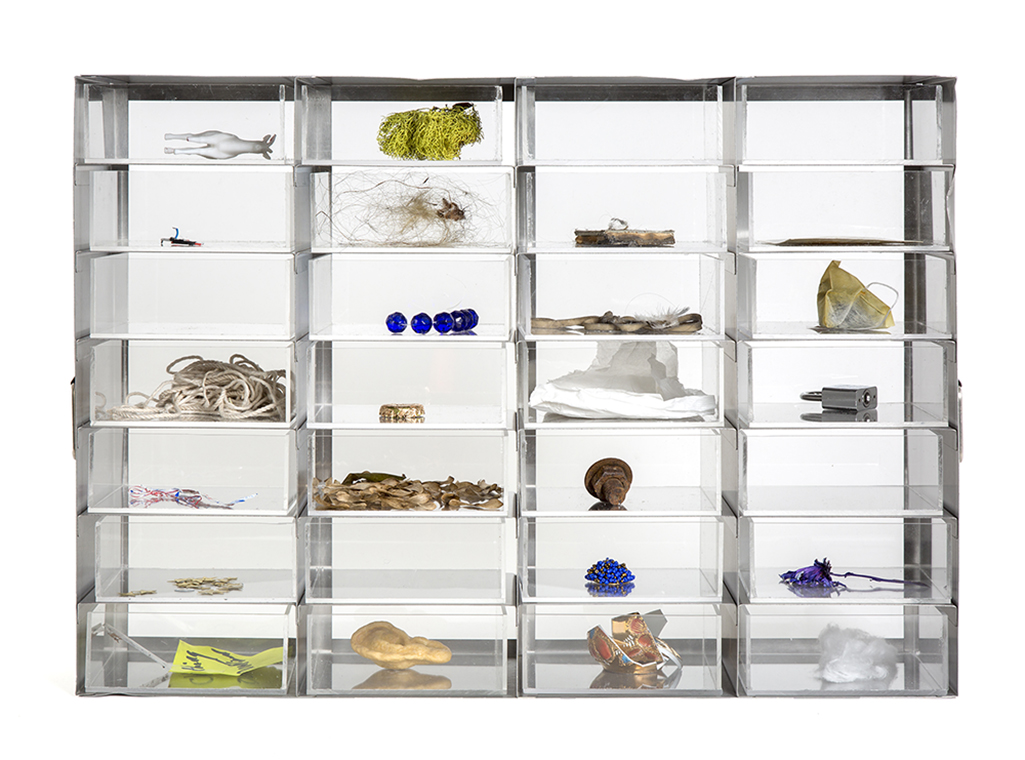
My work explores the intervention of research methodology and dominant narratives and how it alters the act of viewing and changes the maker and viewer relationship. Coming from a scientific research background, I am interested in how references are used in art. References allow artists to build the context of their work and also create a situation for conversation and discussion. However, this act of referring intervenes in the maker/viewer relationship and the act of viewing. The viewing process is no longer about the artwork that is actually on display and is not merely about looking anymore. My work examines and dismantles the system of presentation and language that is coded with the meditations of knowledge, ideology, and power. As an immigrant, Asian artist integrating into the cultural world of New York and beyond, I collect and analyze literary history that is built on Western art practices, and reconstruct and establish new interpretations. By using different physically transparent and reflective materials in my work, I reveal and question viewership in the seemingly transparent act of viewing. My work uncovers and challenges the particularities of hidden social infrastructures and reorients our understanding of the visible.