Hearing Protection: Volume Control Design
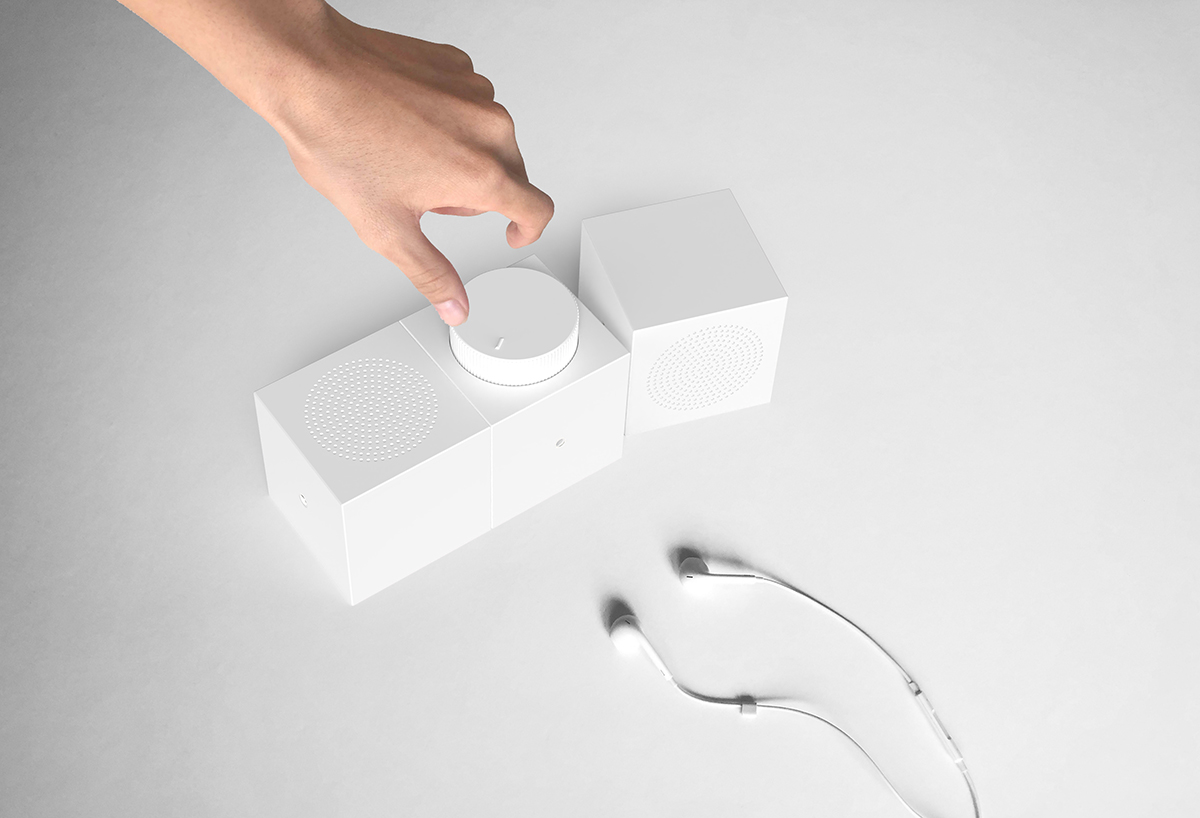
By relating the volume level to the rotating friction, this volume knob gently tells users to keep the volume down. It comes with a set of speakers with the same cubic, minimal design, completing a thoughtful audio device.


Artist Statement
I’m Zijian Chen. After 18 years of living in China and 4 years in Brooklyn, now I am graduating from Pratt Institute with a Bachelor of Industrial Design in May 2020.
I believe that design is to discover and improve the relationship between an object and its context. It is a specific way of thinking and doing things. It is also a lifestyle. As an industrial designer, I am always fascinated by the thoughtful details of the great designs. I love to explore the ways that human beings interact with objects. To me, industrial design is an infinite exploration of how to live with things in the world in harmony. I look forward to bringing excellent design to the world.
I believe that design is to discover and improve the relationship between an object and its context. It is a specific way of thinking and doing things. It is also a lifestyle. As an industrial designer, I am always fascinated by the thoughtful details of the great designs. I love to explore the ways that human beings interact with objects. To me, industrial design is an infinite exploration of how to live with things in the world in harmony. I look forward to bringing excellent design to the world.
Volume Knob with Mechanical Feedback
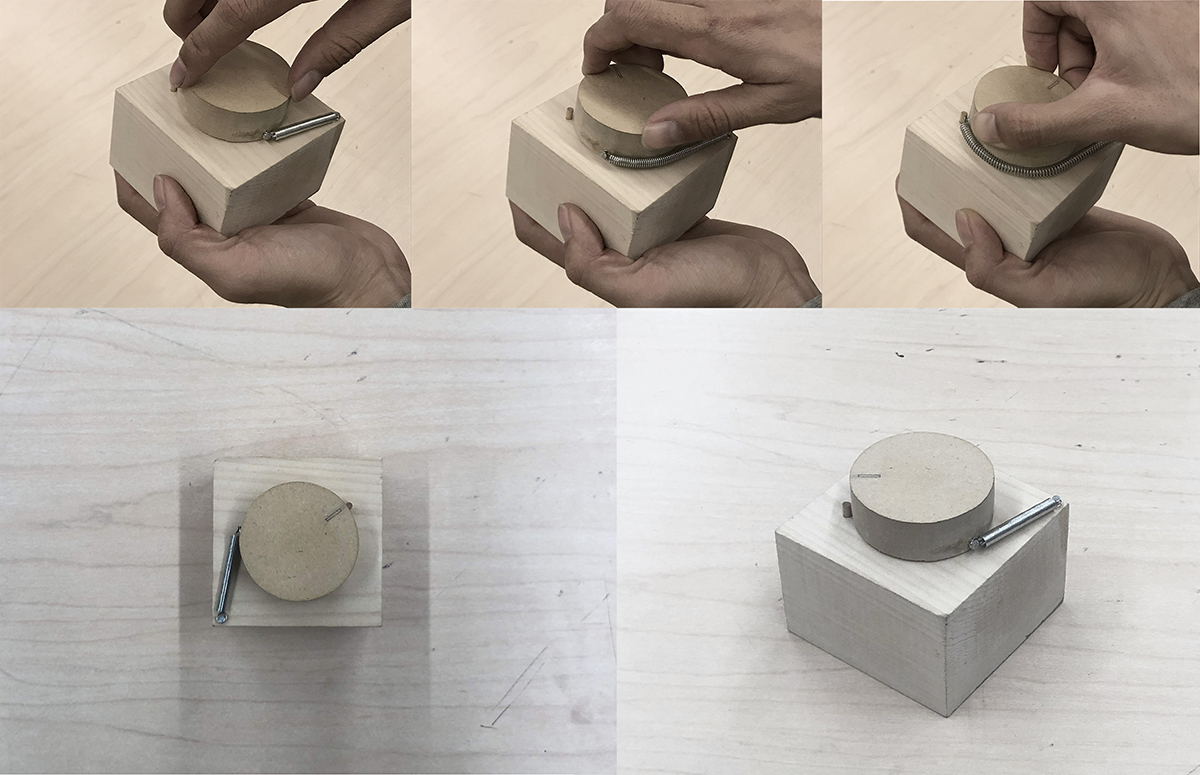
Our ears always adapt to the ambient noise so we tend to turn up the volume without knowing it actually gets so loud that could damage our hearing. A special volume knob is designed to avoid such hurting. When the volume is turned up, the knob gets harder and harder to turn. It gently suggests users keeping the volume down to a healthier level.
The relation of volume level and rotating friction is a whole new experience. It adds a new dimension to an everyday action, which is adjusting the volume. The haptic feedback is something very subtle yet effective to our senses. In this way, the user will learn the current volume level without looking at the device. Also, the volume level perceived by our touching is less likely to be affected by the ambient noise, compared to the volume we hear with our ears.
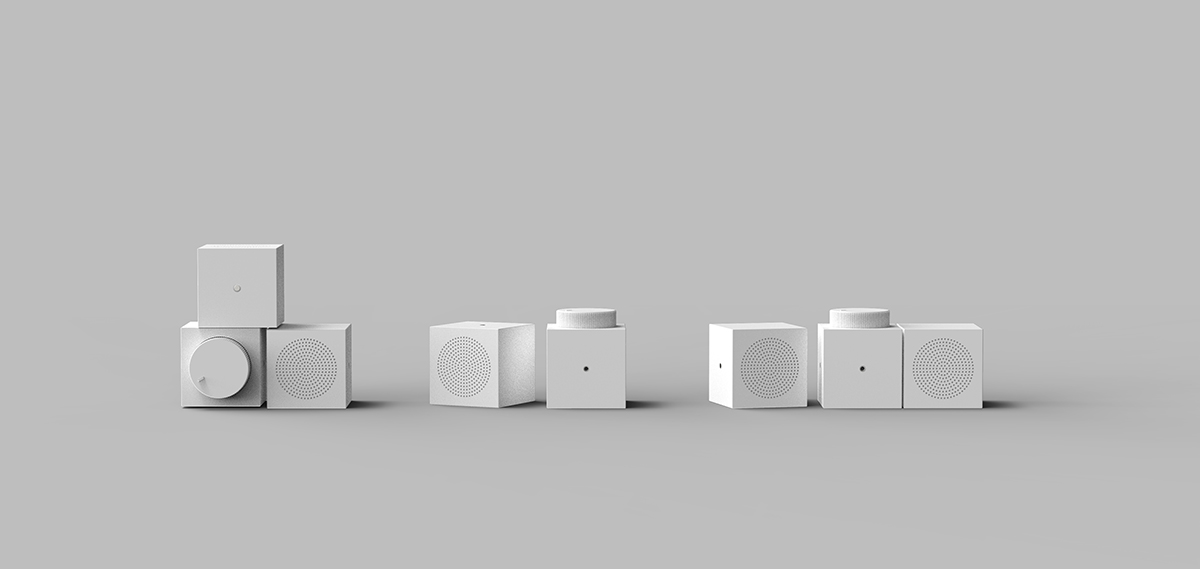
The look of the knob is a 3-inch white plastic cube. It also comes with a pair of speakers with the same material and dimension. The speaker can be used facing forward or upward. When you put the speaker upside down or cover the speaker grill, it automatically stops playing.
The audio input can go through either Bluetooth or audio jack. Audio and power are delivered through magnetic connectors on the sides of the cubes. Also, the left and right channels depend on the position of the knob when they are connected.
The relation of volume level and rotating friction is a whole new experience. It adds a new dimension to an everyday action, which is adjusting the volume. The haptic feedback is something very subtle yet effective to our senses. In this way, the user will learn the current volume level without looking at the device. Also, the volume level perceived by our touching is less likely to be affected by the ambient noise, compared to the volume we hear with our ears.
The look of the knob is a 3-inch white plastic cube. It also comes with a pair of speakers with the same material and dimension. The speaker can be used facing forward or upward. When you put the speaker upside down or cover the speaker grill, it automatically stops playing.
The audio input can go through either Bluetooth or audio jack. Audio and power are delivered through magnetic connectors on the sides of the cubes. Also, the left and right channels depend on the position of the knob when they are connected.
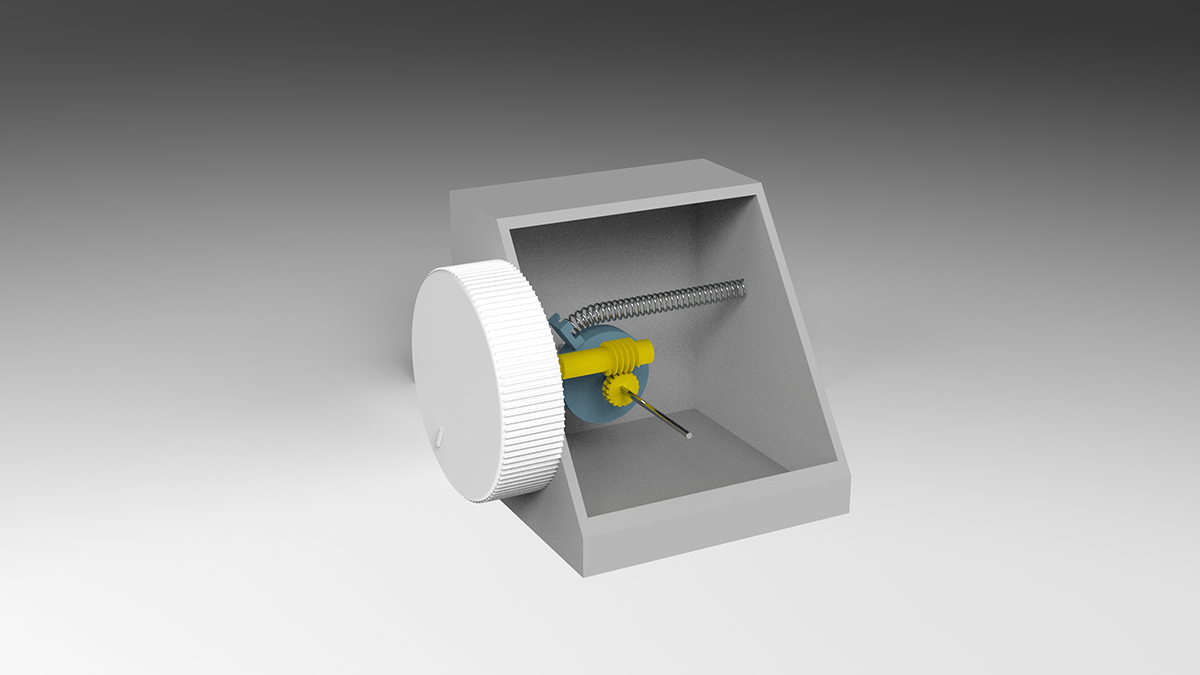
The internal structure of the volume control
When the knob is released, it won’t bounce back and the spring won’t recover, as the worm drive system is a one-way transmission system.
Project Book: Hearing Protection